
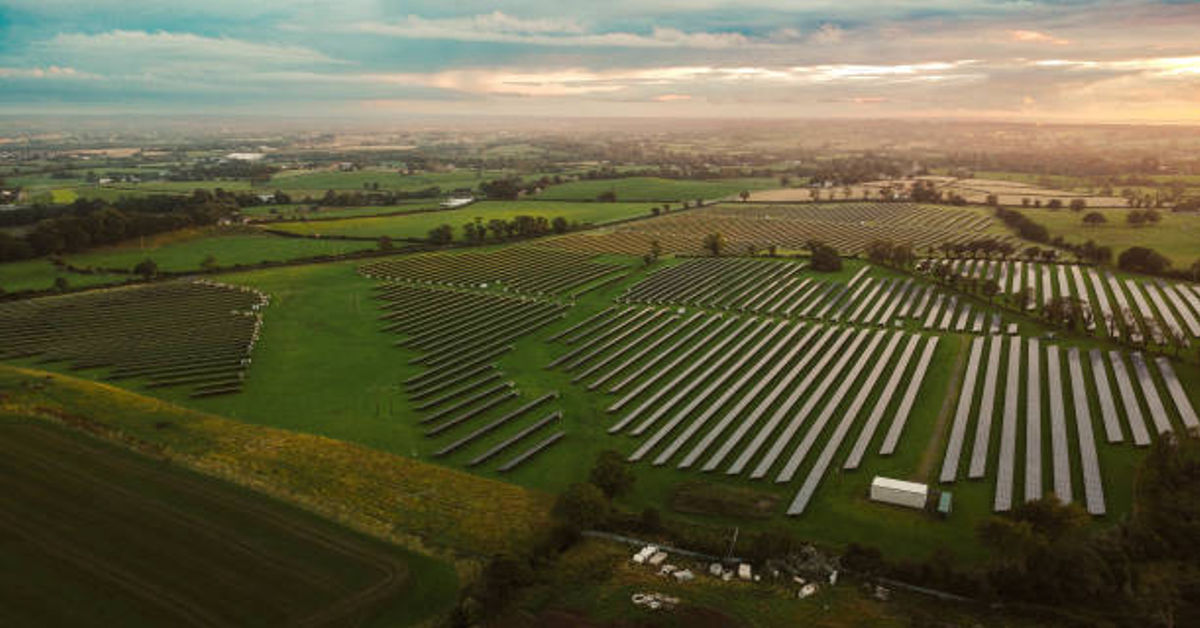
As the world faces growing energy demands and rising environmental concerns, renewable energy sources have become the cornerstone of sustainable development. Among the most promising solutions is the solar farm — a large-scale facility that captures sunlight and converts it into electricity using photovoltaic (PV) panels or concentrated solar systems. Solar farms symbolize the shift toward clean, eco-friendly, and cost-effective energy. In this comprehensive article, we explore what solar farms are, how they work, their types, advantages, challenges, technologies, and the critical role they play in building a greener future.
1. Introduction to Solar Farms
A solar farm—sometimes referred to as a solar park, solar power station, or solar field—is a large installation designed to harness energy from sunlight on a massive scale. Unlike residential solar systems installed on rooftops, solar farms occupy vast areas of land, covered with thousands of solar panels that generate electricity for distribution through power grids.
Solar farms embody the concept of “utility-scale solar energy,” meaning they are large enough to power entire communities, industries, or cities. Their significance extends beyond electricity production — they reduce dependence on fossil fuels, lower greenhouse gas emissions, and support national goals for renewable energy adoption.
In simple terms, a solar farm is nature’s way of showing how sunlight can be transformed into a sustainable resource that powers modern civilization.
2. Working Principle of a Solar Farm
The operation of a solar farm is grounded in the photovoltaic effect — the process by which sunlight is converted into electricity. The basic components of a solar farm include solar panels, inverters, transformers, and power grid connections.
Here’s a simplified explanation of how a solar farm works step by step:
| Step | Process Description |
|---|---|
| 1. Sunlight Absorption | Photovoltaic (PV) cells within solar panels absorb sunlight, energizing electrons. |
| 2. Electricity Generation | The energized electrons create a direct current (DC) flow of electricity. |
| 3. Conversion to AC | Inverters convert DC electricity into alternating current (AC), suitable for the power grid. |
| 4. Transmission | The AC power passes through transformers to step up voltage for transmission lines. |
| 5. Distribution | Electricity is distributed through local grids to homes, businesses, and industries. |
This process occurs silently and efficiently, generating clean power without producing noise, pollution, or harmful waste.
3. Types of Solar Farms
Solar farms can be categorized based on scale and technology. Understanding these distinctions helps in assessing their functionality and impact.
3.1 Based on Scale
| Type | Description |
|---|---|
| Utility-Scale Solar Farms | Large installations generating hundreds of megawatts (MW) of electricity, feeding national grids. |
| Community Solar Farms | Smaller projects allowing multiple households or organizations to share solar energy benefits. |
| Private or Commercial Solar Farms | Owned by companies or private investors to meet internal energy needs or sell excess power. |
3.2 Based on Technology
| Technology | Explanation |
|---|---|
| Photovoltaic (PV) Solar Farms | Use solar panels that directly convert sunlight into electricity through semiconductors. |
| Concentrated Solar Power (CSP) Farms | Use mirrors or lenses to focus sunlight onto a receiver that heats fluid, producing steam for turbines. |
Each type serves a different purpose — PV systems are more common due to lower installation costs and scalability, while CSP systems are effective in areas with high direct sunlight intensity.
4. Components of a Solar Farm
Every solar farm functions through a coordinated network of specialized equipment. Understanding each component is crucial to appreciate how efficiently these farms operate.
Key Components Overview
| Component | Function |
|---|---|
| Solar Panels | Capture sunlight and convert it into electrical energy. |
| Inverters | Transform DC power from panels into usable AC power. |
| Transformers | Regulate voltage for transmission to the power grid. |
| Mounting Structures | Hold panels in place, often adjustable to track the sun’s movement. |
| Energy Storage Systems | Store excess power for use during low sunlight periods. |
| Monitoring Systems | Track performance, detect faults, and ensure operational efficiency. |
A well-designed solar farm integrates these components seamlessly, ensuring maximum energy generation with minimal environmental disturbance.
5. Advantages of Solar Farms
The popularity of solar farms continues to grow due to their numerous environmental, economic, and social benefits. Below are the most significant advantages explained in depth.
Environmental Benefits
Solar farms produce clean energy without burning fossil fuels, resulting in zero greenhouse gas emissions during operation. They significantly reduce air pollution, carbon footprint, and dependency on nonrenewable resources.
Economic Benefits
Once installed, solar farms have low operational costs and can generate consistent income through power sales and renewable energy credits. They create job opportunities in installation, maintenance, and research sectors.
Social Benefits
Solar farms bring electricity to remote and rural areas, improving quality of life, education, and healthcare. They also serve as educational tools for promoting renewable awareness.
Energy Security
By diversifying the energy mix, solar farms reduce vulnerability to fossil fuel price fluctuations and geopolitical tensions.
Scalability
Solar farms can be expanded as needed, making them adaptable to both small communities and large national projects.
6. Disadvantages and Challenges
Despite their immense potential, solar farms face certain challenges that must be addressed for sustainable operation.
| Challenge | Explanation |
|---|---|
| Land Use | Large farms require significant land area, which can impact ecosystems or agriculture. |
| Weather Dependence | Energy output fluctuates with sunlight availability, affecting consistency. |
| High Initial Costs | Installation involves expensive panels, inverters, and land preparation. |
| Energy Storage Limitations | Batteries for storing excess power remain costly and technologically limited. |
| Transmission Losses | Farms located far from urban centers may experience energy loss during transmission. |
Addressing these challenges through innovation, policy, and community engagement will enhance the long-term sustainability of solar energy projects.
7. The Economic Model of Solar Farms
A solar-farm operates under an economic model combining initial capital investment, operational costs, and long-term revenue. The cost structure primarily includes equipment, land acquisition, labor, and maintenance. However, over time, the return on investment (ROI) becomes significant due to reduced energy costs and incentives.
Sample Financial Breakdown
| Category | Estimated Percentage of Total Cost |
|---|---|
| Solar Panels | 40% |
| Inverters and Electronics | 15% |
| Land and Site Preparation | 10% |
| Installation and Labor | 20% |
| Permitting and Grid Connection | 10% |
| Miscellaneous (Monitoring, Insurance) | 5% |
The return on investment depends on sunlight availability, government incentives, and energy market rates. Many solar-farms achieve breakeven within 6–10 years, followed by decades of low-cost energy generation.
8. Environmental Impact and Land Use
Solar farms represent a positive step toward sustainability but must be designed with ecological awareness. Their environmental footprint includes land occupation and potential effects on local biodiversity.
To mitigate this, developers often use dual-use land strategies, such as:
- Agrivoltaics: Combining solar energy generation with crop cultivation or livestock grazing.
- Brownfield Solar Development: Using degraded or abandoned land (e.g., former industrial sites).
- Floating Solar Farms: Installing solar arrays on water bodies to save land and reduce evaporation.
These strategies ensure that energy production coexists harmoniously with environmental conservation.
9. Solar Farm Maintenance and Monitoring
Although solar-farms have low operational costs, they require regular maintenance for efficiency and longevity. Maintenance includes cleaning panels to remove dust, inspecting wiring, replacing defective modules, and monitoring performance data.
Advanced monitoring systems employ AI-based analytics and IoT sensors to detect faults in real time, forecast power output, and optimize energy flow. This reduces downtime and extends the system’s lifespan.
10. Solar Energy Storage and Grid Integration
One of the most crucial aspects of solar-farming is energy storage. Since solar power generation fluctuates with sunlight, storage systems balance supply and demand.
Popular Storage Solutions
| Storage Type | Description |
|---|---|
| Lithium-Ion Batteries | Widely used for short-term storage; efficient but costly. |
| Flow Batteries | Offer longer lifespans and scalability for large farms. |
| Thermal Storage | Stores solar heat for later use in CSP systems. |
| Pumped Hydro Storage | Uses gravitational potential energy to store electricity. |
Integration with smart grids further enhances reliability, enabling energy distribution based on demand patterns and reducing waste.
11. Technological Innovations in Solar Farms
Modern solar farms incorporate advanced technologies to increase efficiency and reduce costs.
Notable Innovations:
- Bifacial Solar Panels: Capture sunlight from both sides, increasing output.
- Solar Tracking Systems: Adjust panel angles automatically to follow the sun.
- Artificial Intelligence (AI): Optimizes maintenance schedules and predicts energy generation.
- Nanotechnology in PV Cells: Improves light absorption and efficiency.
- Perovskite Solar Cells: Emerging materials offering cheaper and more flexible panels.
Continuous research in material science and engineering will further improve the performance of solar-farms in the coming decades.
12. Role of Government Policies and Incentives
Government involvement plays a vital role in promoting solar-farms. Policies such as feed-in tariffs, tax credits, and renewable energy subsidies encourage investments and innovation.
In many countries, solar-farm developers benefit from land grants, reduced import duties on solar equipment, and long-term power purchase agreements (PPAs). Such policies create an enabling environment for large-scale adoption of solar power.
13. Global Outlook and Future Prospects
The global solar energy sector is projected to grow exponentially in the next two decades. Advances in efficiency, falling equipment costs, and global commitments to carbon neutrality are fueling this growth.
Future solar-farms will likely integrate AI, IoT, and blockchain technologies for smart management and transparent energy trading. Moreover, the concept of space-based solar power — collecting energy from orbit and beaming it to Earth — is already under study, representing the next frontier of renewable energy.
14. Case Study Example (Hypothetical)
| Aspect | Details |
|---|---|
| Location | Sunnyville Desert Region |
| Capacity | 250 MW |
| Technology Used | Bifacial PV Panels with Tracking |
| Land Area | 900 acres |
| Annual Output | Approximately 500 GWh |
| Homes Powered | Around 100,000 households |
| Carbon Offset | 350,000 tons of CO₂ annually |
This example demonstrates the scale and impact of a mid-sized solar-farm. Such facilities play a crucial role in national energy independence and climate mitigation goals.
15. The Social and Cultural Importance of Solar Farms
Beyond technical and economic dimensions, solar-farms embody a social transformation toward cleaner living. They represent a collective commitment to preserving the planet for future generations. Communities near solar-farms often benefit from job creation, infrastructure improvements, and educational outreach programs on sustainability.
Solar farms inspire cultural change by proving that environmental responsibility and technological progress can coexist harmoniously.
Conclusion
The rise of solar-farms marks a turning point in human history. They symbolize not just technological innovation but also ecological wisdom. By transforming sunlight — an infinite natural resource — into clean power, solar-farms lead the transition from pollution-driven progress to sustainable prosperity.
Despite challenges like land use, storage, and upfront costs, continuous innovation and global collaboration promise a bright future for solar energy. With ongoing advances in technology and supportive policies, solar-farms will remain central to achieving global climate goals, ensuring that the energy of tomorrow is as clean and limitless as the sun itself.
FAQs
1. What is a solar farm?
A solar farm is a large-scale installation of solar panels designed to generate electricity from sunlight, supplying power to grids or communities.
2. How do solar farms work?
They capture sunlight through photovoltaic panels, convert it into electricity, and deliver it to the grid for distribution to consumers.
3. What are the benefits of solar farms?
Solar farms produce clean energy, reduce greenhouse gas emissions, lower energy costs, create jobs, and promote sustainability.
4. How much land is needed for a solar farm?
Typically, a 1 MW solar farm requires 4 to 6 acres of land, depending on panel efficiency and site layout.
5. Are solar farms the future of energy?
Yes, as global demand for renewable power grows, solar farms are expected to dominate energy generation due to their scalability and environmental benefits.